

The Restaurant Booth Decision That Separates First-Year Survivors From Operators Who Close Before Month 18
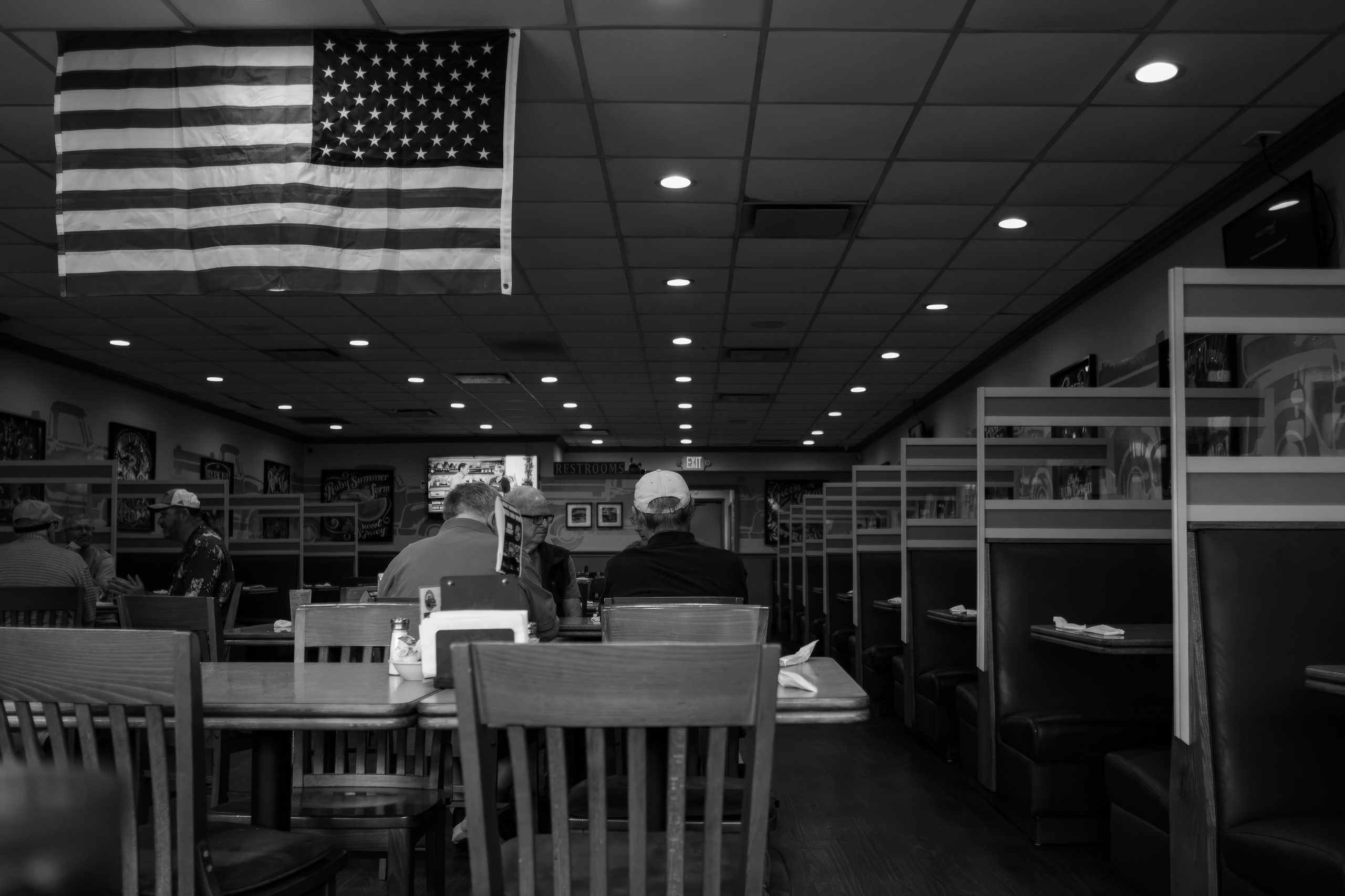
Opening a restaurant is not only a creative act. It is a survival test shaped by rent, payroll, food costs, utility bills, marketing, maintenance, and guest expectations. Many first-time operators think the biggest early decisions are the menu, the chef, the name, the logo, or the launch promotion. Those matters, but the dining room quietly decides whether the business can repeat a strong night again and again.
In modern times, a premium restaurant booth sits squarely at the center of that decision.
A booth is not just a seating choice. It affects guest comfort, table turnover, labor flow, floor capacity, cleaning time, repair costs, perceived value, and how long people want to stay. For a first-year restaurant, that can be the difference between a dining room that earns steadily and one that looks good in photos but drains money before month 18.
Booths Turn Layout Into Revenue
Every restaurant has a fixed amount of space, but not every operator uses that space with the same discipline. A room filled only with loose tables and chairs may feel flexible, yet flexibility can become messy when staff must constantly shift furniture, reset awkward gaps, and squeeze through unclear pathways.
Booths bring structure.
They anchor the perimeter, define traffic lanes, and help operators create reliable seating zones. Along walls, booths can increase usable seating without making the room feel crowded. In corners, they can turn awkward square footage into a guest-friendly space. In narrow dining rooms, they can create order where loose furniture might create congestion.
Survival-minded operators do not only ask, “Does this booth look nice?” They ask, “How many covers does this layout support on a busy Friday without making service harder?”
That question matters because early-stage restaurants rarely fail due to a single dramatic mistake. They usually weaken through repeated inefficiencies: slow turns, uncomfortable tables, wasted floor space, staff bottlenecks, and guests who do not feel a reason to return.
Comfort Is Not Decoration
A booth has to make guests feel settled without encouraging the room to stall. If the seat is too shallow, guests feel like they are perched. If the back is too upright, the meal feels stiff. If the cushion is too soft, cleaning and durability suffer. If the booth is oversized, the room loses capacity.
Good booth planning blends comfort with commercial control.
A successful restaurant booth should support the guest’s body, give the table a sense of privacy, and still allow staff to serve, clean, and reset efficiently. This is especially important for casual dining, family restaurants, diners, cafés, bars, hotel restaurants, and neighborhood concepts where repeat visits matter.
Operators who survive the first year understand that comfort is part of retention. A guest may not say, “I loved the seat angle,” but they will remember that the meal felt easy. They stayed longer, ordered another drink, relaxed with the group, and left with a better impression of the place.
Poor comfort works the opposite way. People shift, lean forward awkwardly, bump elbows, or feel boxed in. They may enjoy the food but still hesitate to return because the room made the experience feel slightly wrong.
The Month 18 Test Is Durability
Opening day furniture lives in a fantasy world. Everything is clean, tight, polished, and perfectly arranged. Month 18 tells the truth.
By then, booths have faced spills, denim abrasion, cleaning chemicals, children climbing on cushions, guests sliding in and out, staff wiping surfaces many times per day, and constant pressure on seams, bases, backs, and corners. A booth that looked affordable during buildout can become expensive if the upholstery cracks, the foam collapses, the stitching pulls, or the frames loosen.
This is why first-year survivors look beyond the catalog photo. They study the parts guests never think about:
- Commercial-grade upholstery
- Strong internal framing
- Durable seams and corners
- Cleanable surfaces
- Proper foam density
- Stable base construction
- Replacement-friendly design
Price matters, but replacement timing matters more. A booth that saves money upfront but needs repairs before the second year is not a bargain. It is a deferred cost hidden inside the opening budget.
Booth Selection Controls Guest Psychology
Restaurants are emotional places. People read them rapidly, frequently before tasting anything. The booths provide a significant statement on the guest’s sense of privacy, comfort, and belonging.
A row of traditional channel-back booths may make a restaurant seem familiar and nostalgic. Tall cushioned booths lend a more intimate vibe to a steakhouse. Low-profile booths can help a modern café feel tidy and open. Curved banquette seating can soften a room and create a more planned sense.
The booth decision should fit the theme, not fight it.
A fast-casual restaurant may need robust, easy-to-clean booths that enable quick resets. A date-night restaurant may want deeper seats, softer upholstery, and more visual separation. A family-friendly restaurant requires comfort, stain resistance, and ample space for groups of varying sizes. A bar or club can use booths to create social enclaves that will attract longer stays and bigger check averages.
The mistake is to create booths as discrete design objects. The better option is to include them in the restaurant’s business plan.
Capacity Without Chaos
More seats do not always mean more profit. If adding booths makes the room harder to serve, the layout can backfire. Staff need room to move, deliver plates, clear tables, and respond quickly. Guests need enough space to enter and exit without disturbing nearby tables.
That is why booth planning should happen with service flow in mind.
Operators should think through the full dining cycle:
- How guests approach the booth
- Where servers stand when taking orders
- How plates are delivered and cleared
- How quickly can the booth be wiped down
- Whether large parties block pathways
- Whether guests seated at nearby tables feel crowded
A smart booth layout increases usable capacity while protecting movement. A bad layout traps staff, slows service, and makes the room feel tighter than it really is.
For new restaurants, this matters because the early months are already chaotic. Staff is learning systems, management is adjusting operations, and the kitchen is finding rhythm. Furniture should reduce friction, not add to it.
The Wrong Booth Can Drain Cash Quietly
Some problematic booth choices aren’t immediately apparent. Some difficulties creep in to become part of the daily annoyance.
A booth can be too heavy to transport for a deep clean. Upholstery can stain faster than you think. The seat may not be well matched in height to the table. The form can be a waste of floor space. The material may look luxurious, but it needs upkeep that personnel can’t feasibly do when they’re in a rush.
Minor difficulties are the costs of operation.
Repairs are time-consuming. Pieces of replacement upend the room. Staff are wasting minutes fussing around with odd seating arrangements. The proprietors will deny there is a problem until the wear becomes obvious to the guests. Time has made the eatery seem older than it is.
This is especially problematic until month 18, as the business may not yet have a healthy cash cushion. Normal startup strain can combine with early replacement costs, poor guest perceptions, and service inefficiency.
When making a wise booth decision, it’s not about buying the most expensive alternative. It all comes down to buying the proper booth for the projected abuse, traffic, cleaning schedule, guest profile, and floor plan.
First-Year Survivors Think Like Operators
The best restaurant operators still care about design. The difference is that they connect design to function.
They see booths as tools for shaping revenue, not just atmosphere. They understand that the room has to work on a slow Tuesday, a packed Saturday, a rainy lunch rush, and a short-staffed holiday weekend. They think about how furniture behaves after 10,000 guests, not only how it photographs before the first reservation.
That mindset changes the buying process. Instead of choosing booths at the end of the project, strong operators plan them early. They measure carefully, review layout options, consider traffic flow, compare materials, and choose construction details that match the concept’s actual workload.
They also avoid copying another restaurant’s look without copying its conditions. A booth that works in a low-volume cocktail lounge may not survive in a busy family restaurant. A design that looks beautiful in a boutique hotel may not make sense for a fast-turn breakfast spot.
The Booth Choice That Keeps Paying Back
The restaurant booth decision distinguishes serious operators from eager newcomers by revealing how they think. Are they designing a space for opening night or developing a room that will withstand the first difficult year?
A decent booth layout can make a dining room feel more relaxed, fuller, warmer, and more profitable. It can help guests relax, personnel move more efficiently, and owners get more value out of every square foot. It can also support the type of repeat experience that restaurants require once the initial enthusiasm has passed.
Operators who make it past month 18 are usually not successful because they made one great decision. They endure because they make dozens of realistic decisions that shield the company from undue stress.
Restaurant booths are one of such options.
They may resemble furniture, but in a new restaurant, they are part of the operating system.