

Smart Financial Practices Every HOA Board Should Adopt This Year
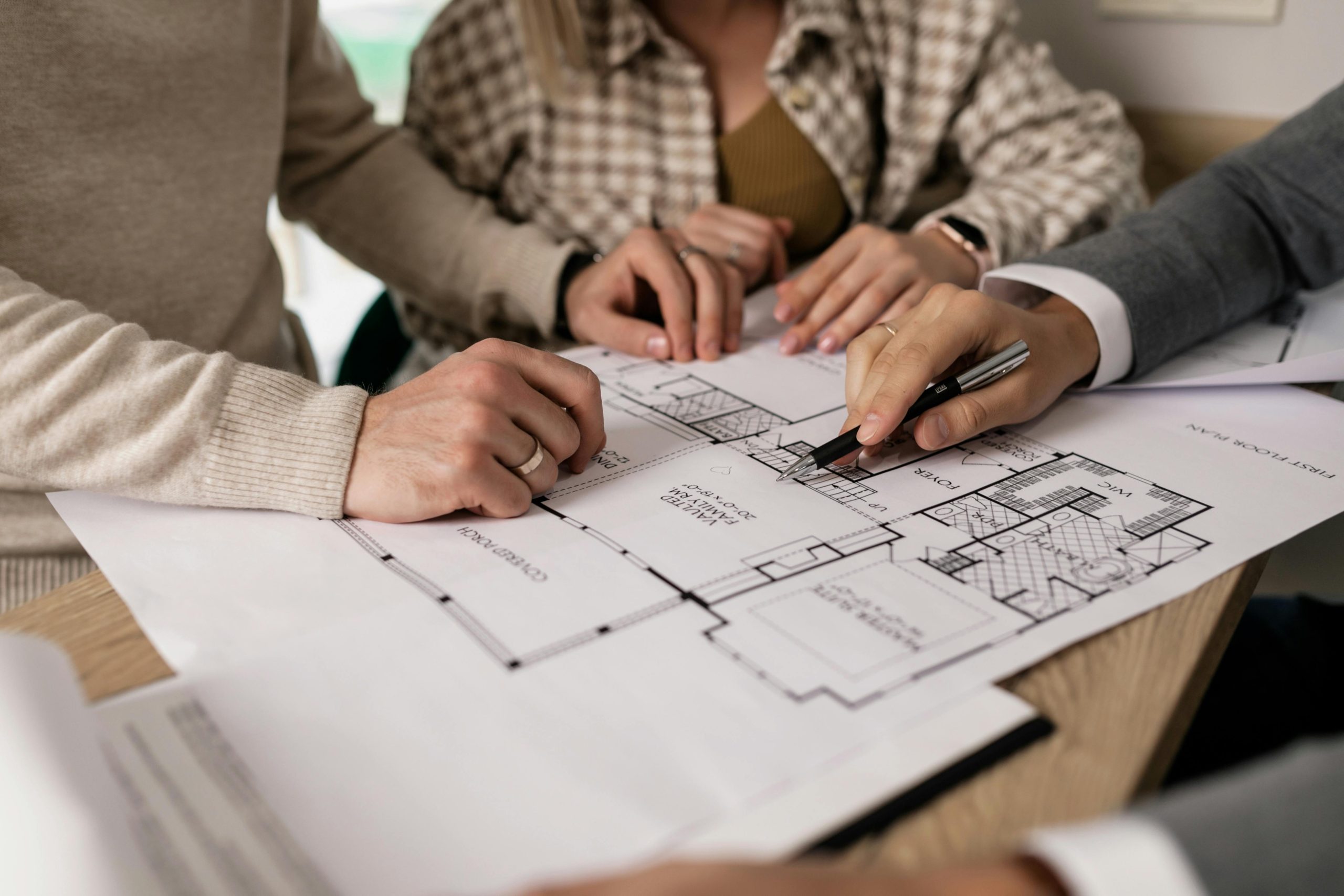
In the complex landscape of community management, the financial health of a Homeowners Association (HOA) is essential to long-term success. It also plays a critical role in maintaining stability, trust, and overall member satisfaction. For HOA board members, who are often volunteers, the responsibility of fiscally sound governance is a demanding but critical task.
As the new year unfolds, it offers a timely opportunity for boards to reassess their financial strategies. Moving beyond basic budgeting, boards can adopt practices that promote transparency, efficiency, and long-term sustainability.
In this article, we will outline some smart financial practices that every HOA board should seriously consider adopting this year.
Strengthen Budget Planning with Realistic Projections
Budget planning is critical given the scale of community associations nationwide. The Foundation for Community Association Research states that one-third of US housing falls within community associations, including planned communities, condominiums, and cooperatives. The 2024 fact book estimates 369,000 associations serving 77.1 million residents.
It underscores the need for accurate, data-driven projections for long-term financial stability and resilience.
Accurate budget planning begins with realistic projections using historical data, active contracts, and expected cost increases. Boards should review at least three years of financial records to spot trends and seasonal expenses. Accounting for inflation, utility hikes, and deferred maintenance helps avoid shortfalls and supports long-term financial stability.
Improve Transparency Through Clear and Consistent Reporting
Transparent financial reporting strengthens trust between HOA boards and homeowners while minimizing disputes. Clear, consistent reports should include income statements, balance sheets, reserve summaries, and variance explanations. Using standardized templates and digital dashboards helps residents track spending, engagement, improve accountability, and confidence in board decisions.
Clear reporting is also a legal responsibility for HOAs. The Educational Community for HOA Homeowners (ECHO) notes that associations must distribute two key disclosures, the annual budget report and the annual policy statement. These documents must be shared with all owners within 30 to 90 days of the upcoming fiscal year to remain compliant and transparent.
Consider Outsourcing Complex Financial Tasks for Better Accuracy
While self-management may seem cost-effective, HOA and COA finances are often too complex for volunteer boards to handle alone. Many homeowners lack the time or accounting expertise required. Managing finances internally increases the risk of errors, compliance issues, reporting delays, and potential homeowner dissatisfaction.
This is where engaging full-service HOA/COA accounting services becomes a smart financial practice. These specialists manage bookkeeping, assessments, collections, reporting, and compliance with precision. Outsourcing reduces administrative burden, minimizes costly errors, and allows boards to focus on governance and community policy decisions, improving accuracy and overall efficiency.
According to Ledgerly, HOA/COA accounting services use modern technology to enhance financial management. Board members gain mobile app access to dues collection and bill payments. This technology also delivers accurate, board-ready financial reports.
Conduct Routine Audits and Internal Reviews
Routine audits and internal reviews help HOA boards detect errors, prevent fraud, and maintain compliance. Reviewing bank statements, vendor payments, reserves, and collections improves accuracy and accountability. Quarterly internal checks identify inefficiencies early, while consistent audits strengthen financial controls, enhance transparency, and build homeowner confidence in responsible management.
Audit requirements for homeowners’ associations vary by state. Education reports that some states mandate annual audits based on an HOA’s revenue, while others defer to governing documents. Even when not legally required, many associations voluntarily conduct audits every one to three years as a financial best practice.
Build and Maintain a Healthy Reserve Fund
A well-funded reserve protects an HOA from financial shocks and costly special assessments. It ensures major repairs, replacements, and unexpected expenses are covered when they arise. Conducting regular reserve studies helps boards accurately forecast long-term capital needs and set appropriate contribution levels for sustained financial stability.
Consistent reserve contributions help protect property values by ensuring timely repairs to roofs, roads, and shared amenities. Well-funded reserves prevent deferred maintenance that can reduce community appeal. By prioritizing reserve funding in the annual budget, boards enhance financial stability and shield homeowners from future financial strain.
Use Technology to Streamline Operations and Reduce Costs
Technology delivers measurable cost savings for associations. PYMNTS reported that processing a single paper bill averages $9.40 and takes 9.2 days. However, a digital billing costs about $2.78 and takes only 3.1 days. Reports estimate that going paperless can reduce billing expenses by up to 90% by eliminating printing and postage.
Adopting modern technology improves efficiency while controlling administrative expenses. Digital platforms, online payments, and automated reporting reduce errors and save time. Real-time tracking and automated reminders speed collections and improve communication. Investing in secure, user-friendly software simplifies operations, lowers long-term costs, and enhances transparency for homeowners.
Frequently Asked Questions
What financial red flags should HOA board members watch for?
HOA board members should monitor declining reserve balances, budget overruns, delayed reports, and rising delinquencies. Unexplained expenses and inconsistent vendor payments are also warning signs. Repeated special assessments or poor documentation may indicate financial mismanagement needing immediate review and corrective action.
What steps should an HOA take if homeowners fall behind on dues?
If homeowners fall behind on dues, an HOA should issue timely reminders, offer clear payment plans, and document all communication. Consistent collection policies, early intervention, and, when necessary, legal action help recover dues while maintaining fairness and community relations.
How can an HOA improve homeowner trust during financial disputes?
An HOA can improve trust during financial disputes by maintaining transparency and sharing clear documentation. Communicating decisions promptly and offering detailed explanations helps homeowners feel informed. Listening to concerns and applying policies consistently reduces misunderstandings and reinforces confidence in fair financial management.
Building Financial Confidence for a Stronger HOA
Adopting smart financial practices empowers HOA boards to manage funds responsibly, reduce risk, and plan confidently for the future. A foundation built on transparent reporting, accurate budgeting, and healthy reserves protects long-term property values and prevents operational surprises. Boards further strengthen this foundation by leveraging technology and seeking professional support for complex tasks.
This consistent, informed financial leadership builds lasting trust with homeowners. Ultimately, it ensures the long-term stability and fiscal health of the entire community.