

What Happens to Your Credit Cards After You File for Personal Bankruptcy
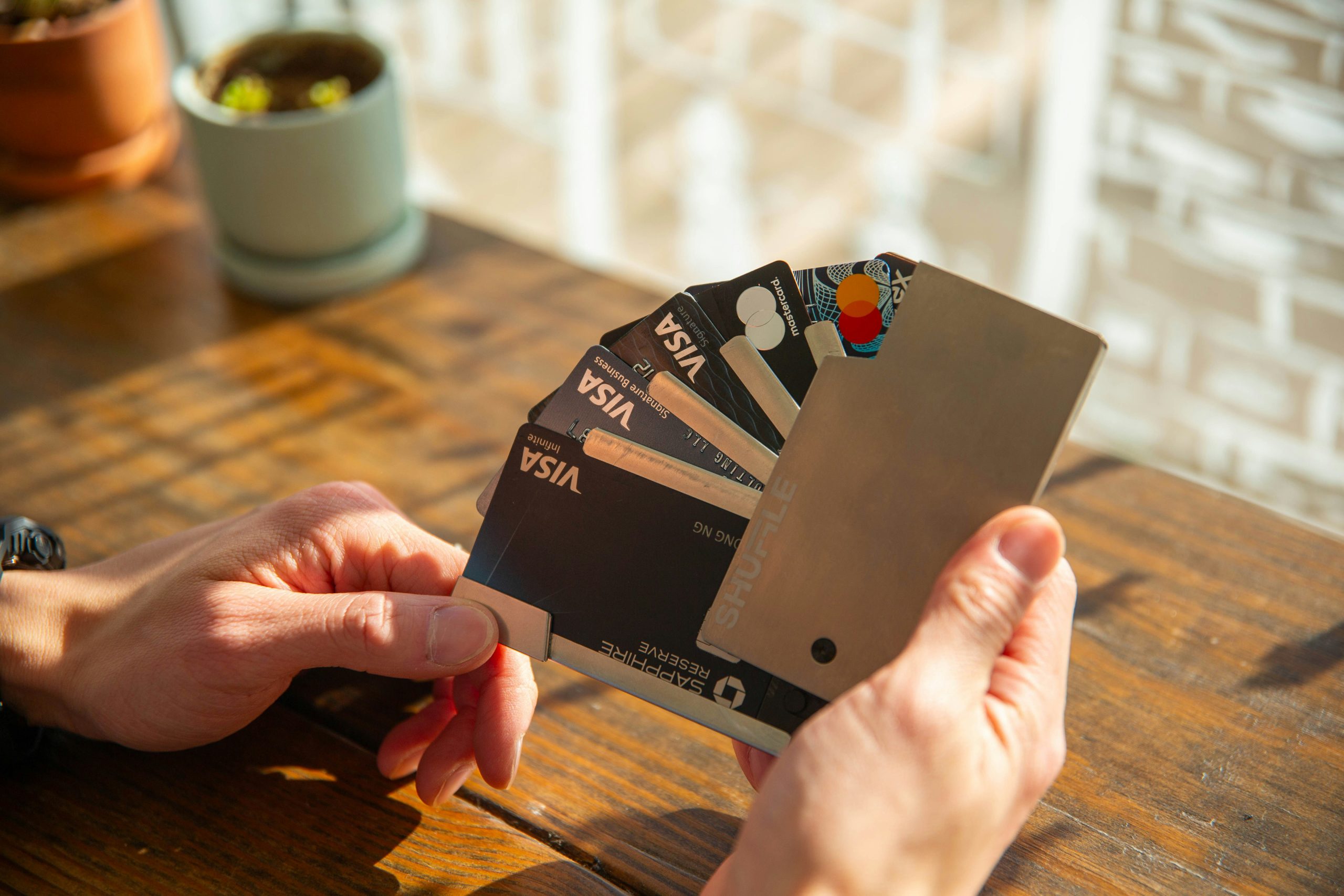
Filing for personal bankruptcy can feel overwhelming, especially when you’re unsure how it will affect your everyday finances. One of the most common concerns people have is what happens to their credit cards after they file. Since credit cards are often at the center of debt problems, understanding their fate during and after bankruptcy is essential. Getting guidance early—such as speaking with a Top Bankruptcy Attorney Near Me—can help you avoid costly mistakes and set realistic expectations from the start.
Understanding the Role of Credit Cards in Bankruptcy
Credit cards are typically considered unsecured debt. This means they are not backed by collateral like a car or a house. In most personal bankruptcy cases, unsecured debts are either discharged or reorganized, depending on the type of bankruptcy you file.
Once you file, the court issues an automatic stay. This legal protection immediately stops creditors from attempting to collect debts, including credit card companies. However, this also triggers actions from your card issuers that many people don’t expect.
What Happens to Your Credit Cards Immediately After Filing
Accounts Are Usually Frozen or Closed
After your bankruptcy case is filed, most credit card issuers will freeze or close your accounts—even if they are current and have no balance. This is standard practice and not a reflection of wrongdoing on your part. Creditors want to limit their risk once they learn you’ve filed.
You should stop using all credit cards as soon as you decide to file. Using credit cards right before bankruptcy can raise red flags and potentially cause complications in your case.
Outstanding Balances Are Addressed by the Bankruptcy
In Chapter 7 bankruptcy, most credit card balances are discharged entirely, meaning you are no longer legally required to repay them. In Chapter 13 bankruptcy, balances are typically included in a repayment plan, where you pay a portion of what you owe over three to five years.
Differences Between Chapter 7 and Chapter 13
Chapter 7 Bankruptcy and Credit Cards
Chapter 7 is often referred to as liquidation bankruptcy. In this process, qualifying unsecured debts, including credit card debt, are wiped out. Once discharged, creditors cannot attempt to collect on those balances again.
The downside is that you will almost certainly lose all existing credit cards, even those with zero balances.
Chapter 13 Bankruptcy and Credit Cards
Chapter 13 involves a structured repayment plan. Credit card debt is bundled into this plan, and creditors receive payments based on your disposable income. At the end of the plan, any remaining eligible balances may be discharged.
Even though repayment is involved, credit card accounts are still typically closed once you file.
Can You Keep Any Credit Cards After Bankruptcy?
In rare cases, a credit card issuer may allow you to keep an account, usually if it has a zero balance and the issuer believes you are a low risk. However, this is uncommon and should not be relied upon when planning your finances.
Secured credit cards are a different matter. Because they are backed by a cash deposit, they may be easier to obtain after bankruptcy and can be a useful rebuilding tool.
How Bankruptcy Affects Your Credit Score
Filing for bankruptcy will have a negative impact on your credit score in the short term. However, many people are surprised to learn that their score may begin improving sooner than expected. This is because bankruptcy eliminates large amounts of debt, improving your debt-to-income ratio.
Missed payments, high balances, and accounts in collections often hurt your credit more over time than a bankruptcy discharge does.
Rebuilding Credit After Bankruptcy
When Can You Get a New Credit Card?
Many people receive offers for new credit cards within months of their bankruptcy discharge. These are often secured cards or cards with low limits and higher interest rates. While the terms may not be ideal, responsible use can help rebuild your credit.
Best Practices for Using Credit Again
- Always pay balances on time
- Keep credit utilization low
- Avoid applying for too many accounts at once
- Monitor your credit report regularly
Consistent, responsible behavior is the key to long-term recovery.
Common Mistakes to Avoid
One major mistake is using credit cards shortly before filing bankruptcy, especially for luxury purchases or cash advances. Another is assuming bankruptcy permanently ruins your financial future. With the right approach, many people rebuild stronger credit than they had before.
Final Thoughts
Credit cards don’t survive bankruptcy in the way most people hope, but that doesn’t mean your financial life is over. In fact, bankruptcy can be the reset you need to regain control, eliminate overwhelming debt, and build a healthier financial future. Understanding what happens to your credit cards before, during, and after filing helps you prepare mentally and financially for the road ahead—and puts you in a better position to move forward with confidence.