

The Role of Personal Loans in Debt Relief and Managing Financial Stress

Key Takeaways
- Personal loans are unsecured loans that can be used for debt consolidation and managing multiple financial obligations.
- Consolidating debt with a personal loan can simplify repayment and potentially lower overall interest rates.
- Before opting for a personal loan, it is important to assess your financial situation, compare lenders, and fully understand loan terms.
- Alternative options for debt relief include debt management plans, debt settlement, and bankruptcy.
Understanding Personal Loans
Many people face financial hurdles when dealing with multiple high-interest debts or unexpected expenses. One solution that offers flexibility and accessibility is a personal loan. A personal loan is an unsecured form of credit, meaning borrowers do not need to put up collateral. These loans are issued by banks, credit unions, and online lenders, allowing individuals to use the funds for purposes such as debt consolidation, home repairs, or emergency expenses. When weighing debt relief options, individuals often explore solutions offered by companies like Symple Lending, which specialize in guiding borrowers through the application process and helping them find a path to financial stability.
Because personal loans do not require collateral, their approval relies heavily on creditworthiness, income, and a borrower’s payment history. This greater accessibility means more people can consider this option, particularly when seeking to simplify their financial obligations or reduce the stress of mounting interest charges.
The Connection Between Debt and Financial Stress
Carrying several debts with different lenders, interest rates, and monthly due dates can create a cycle of financial anxiety. Juggling these commitments increases the risk of missed payments, late fees, and negative marks on a credit report. According to the Consumer Financial Protection Bureau, even a single late payment can significantly impact a person’s credit score, raising interest rates on future loans and making it harder to access credit down the line.
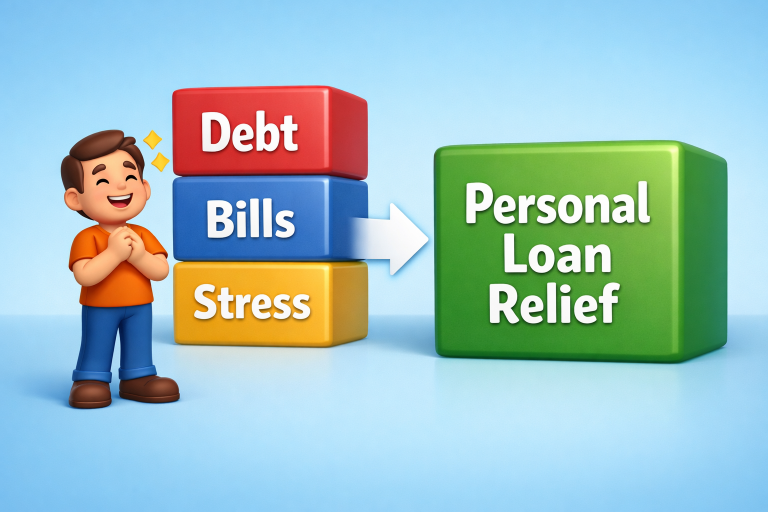
Debt consolidation, a process where multiple debts are combined into a single loan, can help reduce this complexity. By consolidating several outstanding balances into a single personal loan, borrowers can replace multiple monthly payments with a single payment, often at a lower interest rate.
Personal loans are a common tool for debt consolidation, as they generally offer fixed repayment terms and predictable monthly payments, making long-term planning easier. Many financial experts, including Houston Fraley, explain that simplifying financial obligations can be the first step toward healthier money management and reduced stress. This structured approach can also help borrowers maintain consistent payments and gradually rebuild their financial stability.
Benefits of Using Personal Loans for Debt Relief
Personal loans offer several clear advantages for debt relief:
Simplified Repayment
By consolidating debt, borrowers trade multiple bills for a single monthly payment to a single lender. This not only makes budgeting more straightforward but also reduces the chances of overlooking a payment and incurring late fees.
Potentially Lower Interest Rates
Many credit cards and payday loans come with high interest rates. Personal loans, by contrast, often carry lower fixed rates, especially for those with good credit. Reducing interest means more of each payment goes toward the principal, helping borrowers get out of debt faster.
Fixed Repayment Schedule
Personal loans typically feature fixed repayment periods, which let borrowers know exactly when they will be debt-free. This predictability makes it easier to plan for future goals, save money, and reduce financial uncertainty.
Considerations Before Taking a Personal Loan
While personal loans present many advantages, it is important to review a few key factors before committing:
- Assess Your Financial Situation: Take a close look at your current income, expenses, and overall budget. Make sure you can comfortably handle the new loan’s monthly payment to avoid additional financial difficulties.
- Compare Lenders: Each lender will offer different terms, interest rates, and fees. Shopping around ensures you receive the best possible deal for your unique needs.
- Understand the Terms: Read and understand any fees for origination, prepayment penalties, or late payments. Ask about the impact on your credit score before and after taking out the loan.
Alternative Debt Relief Options
Personal loans are not the only way to gain control over debt. Other strategies can be effective depending on your specific situation:
- Debt Management Plans: Credit counseling agencies can help you negotiate lower interest rates and set up structured repayment plans that fit your budget.
- Debt Settlement: This option involves negotiating with creditors to pay a lump sum that is less than the original amount owed. However, debt settlement can significantly affect your credit score and should be considered carefully.
- Bankruptcy: In extreme cases, bankruptcy can offer legal relief from certain debts. This choice carries long-term financial consequences and should be used only as a last resort.
Choosing the right solution often depends on the size of your debt, your income, and your future financial goals. Consulting with accredited financial counselors can help you navigate the best path forward.
Conclusion
Personal loans can be an important step toward managing debt and relieving financial stress. By consolidating multiple obligations into a single, predictable payment at lower interest rates, individuals gain simplicity and control over their finances. However, it is vital to compare all available options and choose the strategy that best meets your personal circumstances. With careful assessment and planning, debt relief can become achievable, allowing you to work toward long-term financial wellbeing.