

Healthy Finances: Why Smart Borrowing Habits Matter

Financial health is not just about how much you save or earn. The way you borrow and manage debt plays a significant role in your overall economic stability. Knowing when to borrow, how much to borrow, and how to manage debt responsibly can help you stay on top of your finances, avoid unnecessary stress, and achieve long-term goals. Many individuals turn to lenders like MaxLend when unexpected expenses arise, but understanding the basics of smart borrowing can prevent money troubles before they begin.
Smart borrowing involves more than simply making monthly payments. It is about approaching credit thoughtfully and deliberately to enhance rather than harm financial well-being. By making conscious borrowing choices, you can set yourself up for stronger credit, better loan terms, and greater financial peace of mind. This approach is crucial, especially as day-to-day living costs rise and more people rely on various forms of credit.
Building good borrowing habits takes effort and intention. With thoughtful planning, strong awareness of the risks, and regular check-ins on your credit situation, you can turn borrowing into a financial tool rather than a burden. Whether you are new to credit or seeking to improve your practices, the following information outlines how to make borrowing work for you instead of against you.
Understanding the Impact of Borrowing
Borrowing can be a valuable tool when approached wisely. Properly managed loans help you achieve goals such as purchasing a home, continuing your education, or covering unexpected costs. However, borrowing without a clear plan or understanding can quickly lead to financial difficulty. A recent study by Bank of America found that 72 percent of young adults have taken steps to improve their financial health amid rising costs of living. This trend underscores the importance of careful borrowing choices and embracing healthy financial behaviors.
Every loan or credit card you open affects your credit profile and future borrowing opportunities. High balances may lead to larger monthly payments and more interest paid over time. On the other hand, using credit prudently can help you build a positive repayment history, which improves your eligibility for better loan rates and larger lines of credit in the future.
Strategies for Effective Debt Management
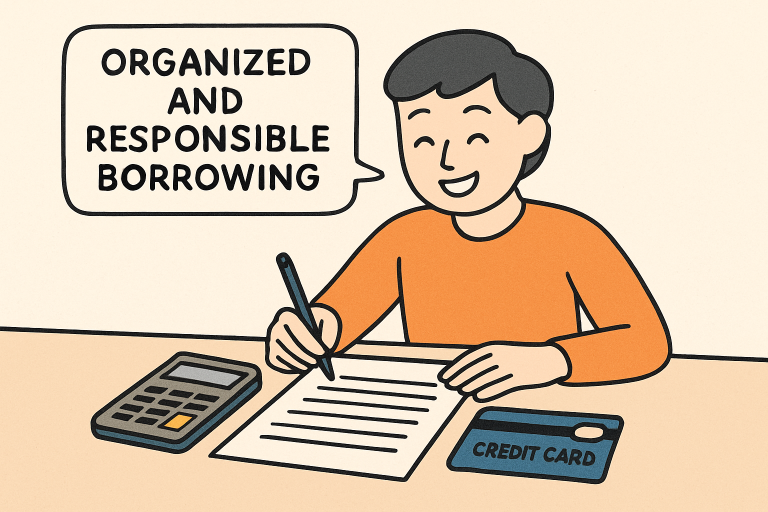
Proactive debt management can make your borrowing experience a success, not a source of worry. One of the most effective ways to get ahead is to create a budget. By tracking your income and listing all expenses, you can determine how much is available for loan payments and avoid running up balances you cannot pay down. Budgeting also allows you to spot unnecessary spending and redirect those funds to pay down debt faster.
- Prioritize High-Interest Debts: Target debts with the highest interest rates first, as they are the most costly in the long run.
- Set Up Automatic Payments: Automate your monthly payments so you never miss a due date. Even one late payment can negatively affect your credit score, so consistency is critical.
- Regularly Review Your Budget: As your financial situation changes, adjust your repayment strategy to reflect new priorities or allocate extra funds to accelerate debt repayment.
Monitoring and Improving Your Credit Score
Keeping a close eye on your credit score is essential for successful borrowing. Start by requesting free yearly credit reports from the three major bureaus through AnnualCreditReport.com. Review reports for errors, such as incorrect balances or falsely reported late payments, and dispute them if necessary. A higher credit score qualifies you for lower interest rates and better loan offers, ultimately saving you money.
To maintain or improve your credit:
- Pay Bills Promptly: Make on-time payments a habit, as payment history is the biggest factor in most credit scoring models.
- Limit Credit Utilization: Use less than 30 percent of your total available credit. High utilization can signal financial distress to lenders.
- Be Strategic with Credit Applications: Apply for new credit only when necessary. Each application can cause a small, temporary dip in your credit score.
Discover more about breaking negative money habits and their impact on your future as described in this helpful AARP resource.
Avoiding Common Borrowing Pitfalls
Many financial troubles result from avoidable mistakes. Overborrowing is a common pitfall; always calculate the total monthly payments that fit your household budget before signing any loan agreement. Ignoring loan terms can also lead to high costs or unexpected fees. Scrutinize the interest rate, minimum monthly payment, and potential penalties.
- Do Not Rely on High-Interest Loans: Avoid payday and similar loans with steep fees. These products may fill a short-term need but can trap borrowers in cycles of debt.
- Read the Fine Print: Ensure you understand all terms, including fixed versus variable interest rates, missed payment fees, and repayment terms.
- Avoid Multiple Concurrent Loans: Juggling several debts increases risk and complicates management. Stick to one manageable loan at a time when possible.
The Consumer Financial Protection Bureau offers more tips on avoiding these and other borrowing mistakes. Check out their guide on how to avoid common borrowing mistakes.
Utilizing Financial Education Resources
Raising your financial literacy is one of the most reliable pathways to better borrowing decisions. Many banks, small organizations, and online platforms now offer courses and articles that explain everything from interest rates to loan refinancing. According to recent research, participation in financial education courses helps individuals make better decisions and fosters a long-term improvement in personal financial health.
Consider exploring educational offerings from reputable sources, such as your local public library, a credit union, or a national nonprofit. The Consumer Financial Protection Bureau is another excellent place to start, with a comprehensive toolkit for every stage of your financial journey.
Conclusion
Smart borrowing habits are a crucial component of everyday financial health. By understanding the impact of your borrowing decisions, effectively managing debt, regularly monitoring your credit score, avoiding common mistakes, and leveraging financial education resources, you put yourself on the path to greater stability and freedom. Thoughtful borrowing not only supports your current needs but also helps build a foundation for future financial success and peace of mind.