

Surfing Lessons and Surf Instructor: What Learning to Surf in the UK Actually Involves
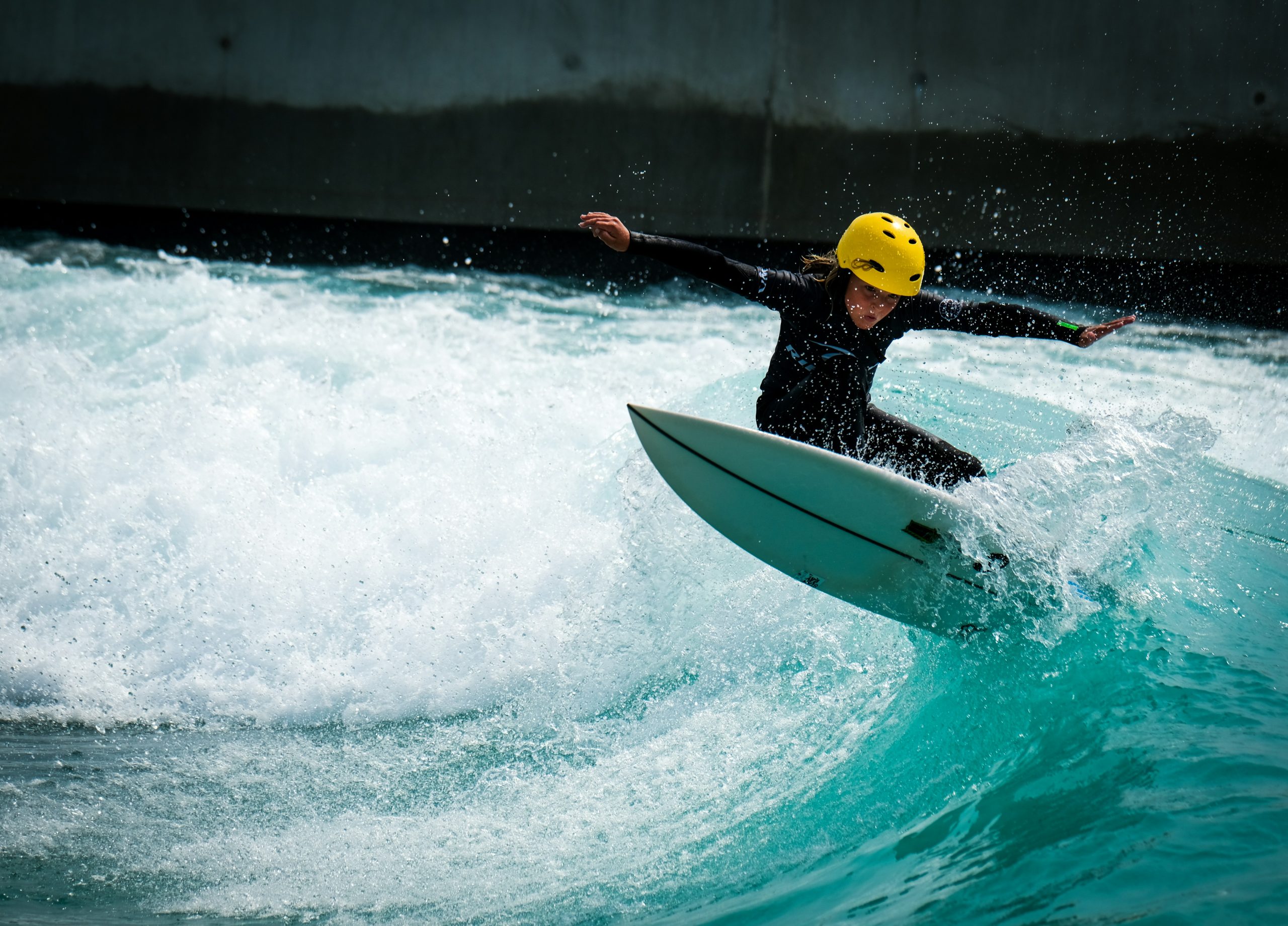
Surfing arrived in the UK in 1929 when four Australian teenagers introduced it to the Cornish coast, which makes it a younger import than most people assume, given how embedded it now feels in the identity of places like Newquay and Croyde. The sport itself is considerably older. Ancient Polynesians were riding waves over a thousand years ago. Captain James Cook noted Hawaiian surfers in his diary in 1778, describing the experience of watching a man “driven on so fast and so smoothly by the sea” and concluding that he felt “the most supreme pleasure.” Duke Kahanamoku — the Native Hawaiian Olympic swimmer born in 1890 who became known as the father of modern surfing — won gold at the 1912 Stockholm Olympics and spent subsequent decades demonstrating surfing across Australia, California, and beyond. The global sport that exists today traces a direct line through him.
The UK version of it, for all its Atlantic wildness, has become one of the most developed surfing lesson markets in Europe. Newquay alone has more surf schools than most countries.
What Surfing Lessons Actually Cover
A beginner surf lesson in the UK typically runs 90 minutes to two hours. It begins on dry sand — not in the water — with the pop-up drill: the movement from lying flat on the board to a standing position. It looks simple until you try it on a moving wave, which is why every reputable surf instructor will spend time drilling it on the beach before anyone enters the water. Paddling position, wave awareness, and how to fall safely are also covered before the group walks into the shallows.
Over 90% of students stand up on their first lesson, which surprises most beginners who arrive expecting failure. The reason is partly equipment — beginner surf schools use large, wide foam boards specifically designed to be stable and forgiving — and partly instruction quality. Everything, including wetsuit and board, is provided by the school.
The south-west of England remains the natural hub. Cornwall has the exposure to North Atlantic swell that other coastlines simply don’t receive in the same consistency. Newquay’s beaches vary significantly in character — Towan Beach, set deepest into the bay, is sheltered enough to offer manageable conditions for beginners, while Fistral Beach to the north catches full Atlantic swell and is better suited to intermediate and advanced surfers. Devon’s Croyde produces genuine waves on a consistent basis and has a smaller, less tourist-heavy feel than Newquay. Pembrokeshire in Wales is frequently overlooked but offers blue flag beaches and quality Atlantic exposure.
The Surf Instructor Qualification Structure
The quality of a surfing lesson depends almost entirely on the instructor delivering it. In the UK, the recognised qualification pathway runs through the International Surfing Association and Surfing England. The ISA has certified over 13,500 coaches and instructors across 80 countries and is recognised by the International Olympic Committee as the world governing authority for the sport — which means the qualification carries genuine international weight.
The ISA Level 1 Surf Instructor certification is the industry standard for teaching beginner to intermediate surfers. Candidates must demonstrate competent personal surfing ability, complete e-learning modules, undertake 20 shadowing hours within a recognised surf school, and pass practical assessments covering lesson delivery, safety management, and surf venue analysis. A beach lifeguard qualification is also required before certification is complete — surf instructors are expected to be able to handle genuine water emergencies, not just teach pop-ups.
The Surfing England Surf Instructor Recreation Award runs parallel to the ISA pathway for UK-based instructors, with a similar structure of theoretical learning, beach-based mentoring, and practical assessment. Both qualifications require instructors to work within a small group ratio — typically no more than eight students per instructor in beginner conditions in waist-depth water.
The Level 2 ISA Coach qualification is aimed at instructors working with intermediate to advanced surfers, covering skill progression, athlete development, sport psychology, and competition preparation.
Choosing the Right School
When booking surfing lessons, the ISA or Surfing England logo on a school’s website indicates that their instructors are properly qualified — not a casual arrangement between someone who surfs and a beach. It is a meaningful distinction, particularly for beginners who have no frame of reference for what quality instruction looks like.
Autumn is consistently underrated as a time to learn. Crowds thin significantly after the school holidays, the sea temperature remains reasonable into October, and the wave quality often improves as autumn swells build. Many surf instructors will tell you it’s their favourite time of year to teach.
adventuro lists surfing lessons and surf experiences across the UK at adventuro.com — a useful starting point for comparing accredited schools by location before booking.
The pop-up drill is the hardest part. Once that clicks, the rest of learning to surf is just getting back in the water.