

How Adding Authorized Users Can Influence Credit Scores

Key Takeaways:
- Adding an authorized user to a credit card can help them build credit, but the impact depends on the account’s management.
- Authorized users benefit from the primary cardholder’s payment history and credit utilization.
- Mismanagement by either party can negatively affect both credit profiles.
- Not all credit card issuers report authorized user activity to credit bureaus.
- Alternative methods exist for building credit without becoming an authorized user.
Understanding Authorized Users
Adding someone as an authorized user to a credit card empowers them to make purchases and benefit from the account’s longevity and positive payment history. When managed well, this approach can become a strategic entry point for building credit responsibly. For individuals new to credit or recovering from financial setbacks, leveraging the track record of a responsible cardholder through coast authorized user tradelines can lay a strong foundation for future borrowing.
An authorized user is not liable for debt repayment. They gain card access but don’t share legal responsibility for the balance. Because their credit is linked to the account’s activity, positive account management by the primary cardholder influences both parties’ credit profiles. On the other hand, missed payments or high balances can be detrimental, underscoring the need for mutual trust and clear communication.
Many families use this approach to help young adults establish robust credit histories or support spouses and relatives in rebuilding financial profiles. However, every credit card issuer follows different rules and reporting practices so that results may vary from one card to another. Clear conversations and the review of issuer policies are critical steps before starting this process.
To ensure the authorized user status helps, the primary cardholder should maintain low balances and pay on time. In contrast, the authorized user benefits from good account stewardship without carrying borrowing risks.
Becoming an authorized user is one of the quickest ways to start building credit. When the primary account demonstrates years of on-time payments and maintains a low balance-to-limit ratio, these positive behaviors are reflected in the authorized user’s report, typically boosting their credit score. This can make a substantial difference for young adults, newcomers to the credit system, or those repairing negative marks.
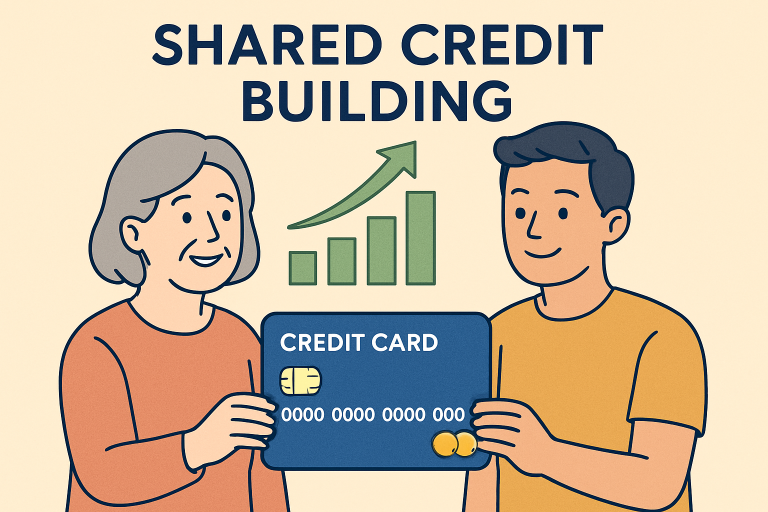
Additionally, as both payment history and credit utilization shape credit scores, accessing a card with a high limit and low outstanding balance can lower the user’s overall credit utilization ratio. A reduced ratio is frequently associated with higher credit scores, paving the way for favorable lending terms down the line.
Risks and Considerations
Despite the advantages, becoming an authorized user requires thoughtful deliberation. First, if the primary cardholder fails to pay on time or accrues high balances, harmful account activity will be reported on both profiles, risking credit health for both parties. This has long-lasting consequences as payment history is the single most significant factor in FICO and VantageScore credit scoring models.
It’s also crucial to realize that not all credit card issuers report authorized user activity to the credit bureaus, which can render the whole strategy ineffective. Before proceeding, it’s recommended to verify the credit reporting practices of the card in question.
Alternative Methods to Build Credit
There are alternative strategies for building a positive credit history if authorized user status is not a fit:
- Secured Credit Cards: These cards require a refundable cash deposit and are designed for users with no or limited credit history. Responsible usage paves the way for eventual unsecured card offers.
- Credit-Builder Loans: With these products, the loan amount is held in a savings account while you make fixed monthly payments, helping you establish a pattern of responsible repayment. As US News explains, the funds remain locked until the loan is fully paid off, at which point they are released to you. Upon successful repayment, the unlocked funds are yours, and the positive payment history is reported to the credit bureaus, strengthening your overall credit profile.
- Co-Signed Loans: Applying with a co-signer who has good credit can help qualify for loans, while timely payments build your own credit history.
Best Practices for Authorized Users
Open Communication is Essential
For the arrangement to be successful, all parties should set clear expectations around usage and payment responsibilities. Discuss when and how the card can be used, what spending limits apply, and ensure both parties understand the terms of the arrangement.
Monitor Credit Activity Regularly
Remaining alert to mistakes or potential misuse is crucial, and using a credit monitoring service, as outlined by Investopedia, can make this process far more effective. Both the primary cardholder and the authorized user should regularly review their credit reports, which are available for free once a year from each of the major credit bureaus. Catching inaccuracies or unexpected negative entries early allows both parties to take quick action, helping prevent long-term damage to their credit scores and overall financial standing.
Set Account Controls and Use Tools
Some credit card issuers allow customized spending limits and real-time transaction alerts for authorized users. Setting these guardrails can make the arrangement safer and more manageable, reducing the risk that either party will face unexpected debts.
Conclusion
When executed with transparency and responsibility, adding an authorized user is a powerful tool for building or repairing credit profiles. Communication, account management, issuer reporting practices, and regular monitoring are the pillars of successful outcomes. By considering both the benefits and potential drawbacks and exploring alternative credit-building approaches, individuals can chart a path to long-term financial growth and security.