

Expat Banking in Japan: Practical Tips to Reduce Fees and Everyday Friction
For many expats, opening a bank account in Japan is one of the first unexpected hurdles of daily life. The country’s financial system is safe and reliable, but it often feels opaque to newcomers. Paper forms, limited English support, and unfamiliar fee structures can turn simple tasks like withdrawing cash or transferring money into ongoing frustrations. Fortunately, with a basic understanding of how Japanese banking works and awareness of newer digital options, expats can avoid most common pitfalls and regain a sense of control over their finances.
Understanding the Basics: Why Banking Feels Harder Than Expected
Japan’s banking rules are built around long-term residency. Most traditional banks require a residence card, a registered address, and often proof of employment. Some accounts are restricted during your first six months in the country, limiting international transfers or debit card usage.
Fees are another adjustment. ATM withdrawals are not universally free, and transfers between banks almost always cost money. While these fees are usually small, they add up quickly if you are paid, pay rent, or move money frequently.
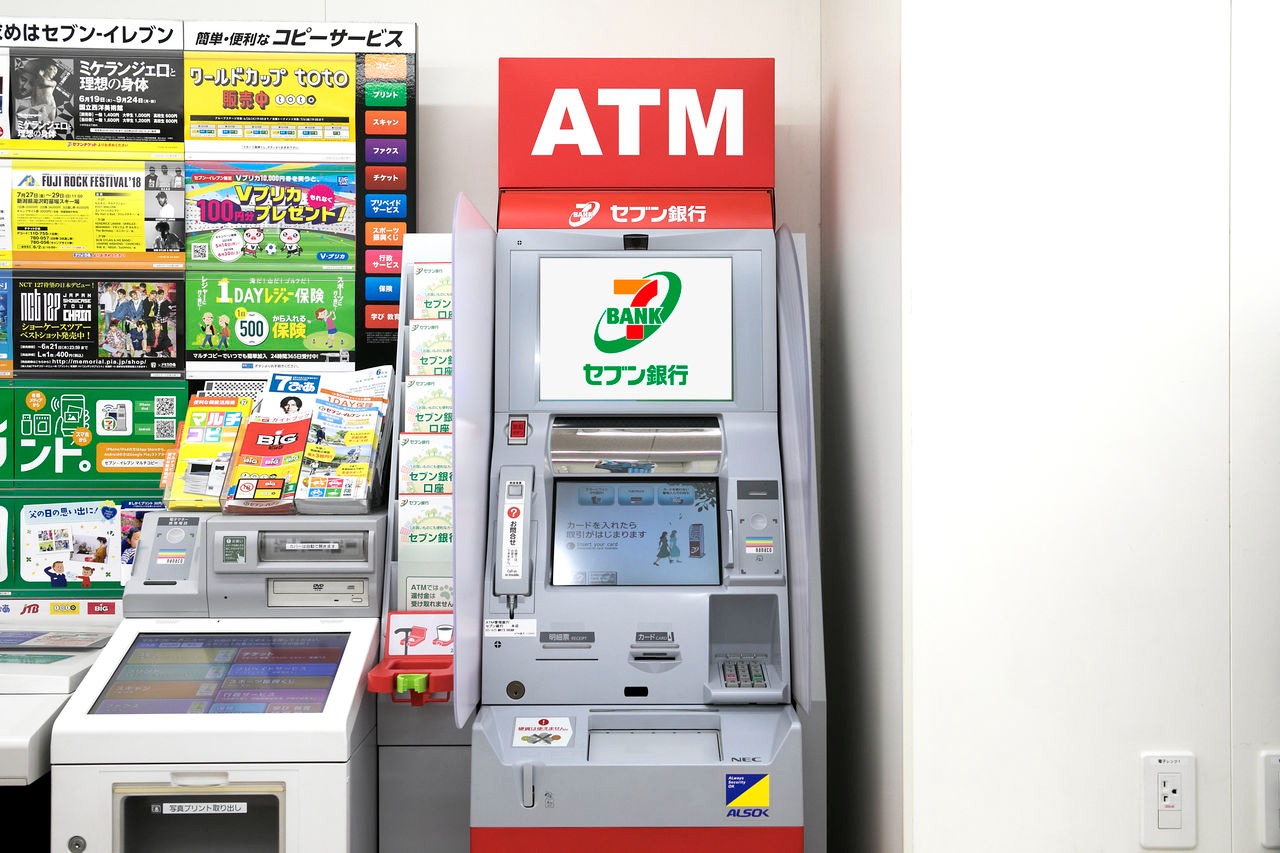
On the positive side, Japan’s ATM network is excellent. Machines at Seven Bank, AEON Bank, and Japan Post Bank are widespread and dependable. Knowing which ATMs your bank partners with can significantly reduce out-of-pocket costs.
Choosing an Account That Fits Expat Life
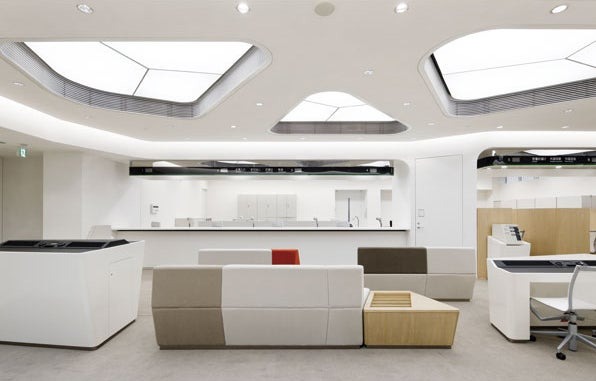
Expats generally face a choice between traditional banks and newer app-based services. Legacy banks offer familiarity and deep integration with Japanese systems, but onboarding can be slow and interfaces are often designed for native speakers.
Digital-first services, by contrast, are built around smartphones and clearer pricing. Many fall under Japan’s emerging デジタルバンク category, meaning “digital bank.” While these services still rely on licensed partner banks behind the scenes, they focus on simplifying the user experience.
One example is Habitto, which emphasizes savings and guidance rather than complex product bundles. Its high-interest savings account, known locally as a 貯蓄口座 (savings account), offers 0.5 percent annual interest on balances up to ¥1,000,000 with no conditions like salary deposits. For expats used to promotional rates that come with strings attached, the predictability itself can be valuable.
The broader lesson is to evaluate accounts on total usability, not just brand recognition. Language support, transparency, and fee structure often matter more than whether a bank has branches on every corner.
Cards, Cash, and Day-to-Day Spending
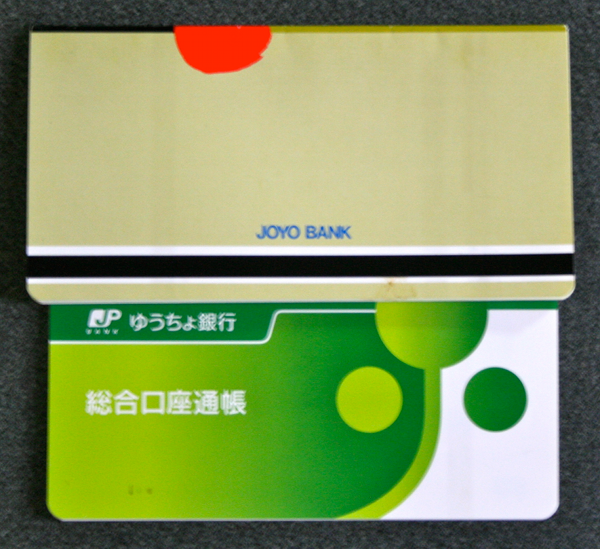
Although cash is still widely used in Japan, card payments have grown rapidly in recent years. Debit cards are usually more accessible than credit cards for newcomers, since credit approval often requires a long local history.
A debit card linked to a Japanese account allows smooth salary deposits, bill payments, and transit card top-ups. Some also include cashback on everyday purchases, which can help offset routine banking fees. Equally important are spending controls. Cards that allow users to set daily limits can reduce accidental overspending while adjusting to yen prices and local costs.
For expats managing a household budget or sending money home regularly, these small features can make daily finances feel calmer and more predictable.